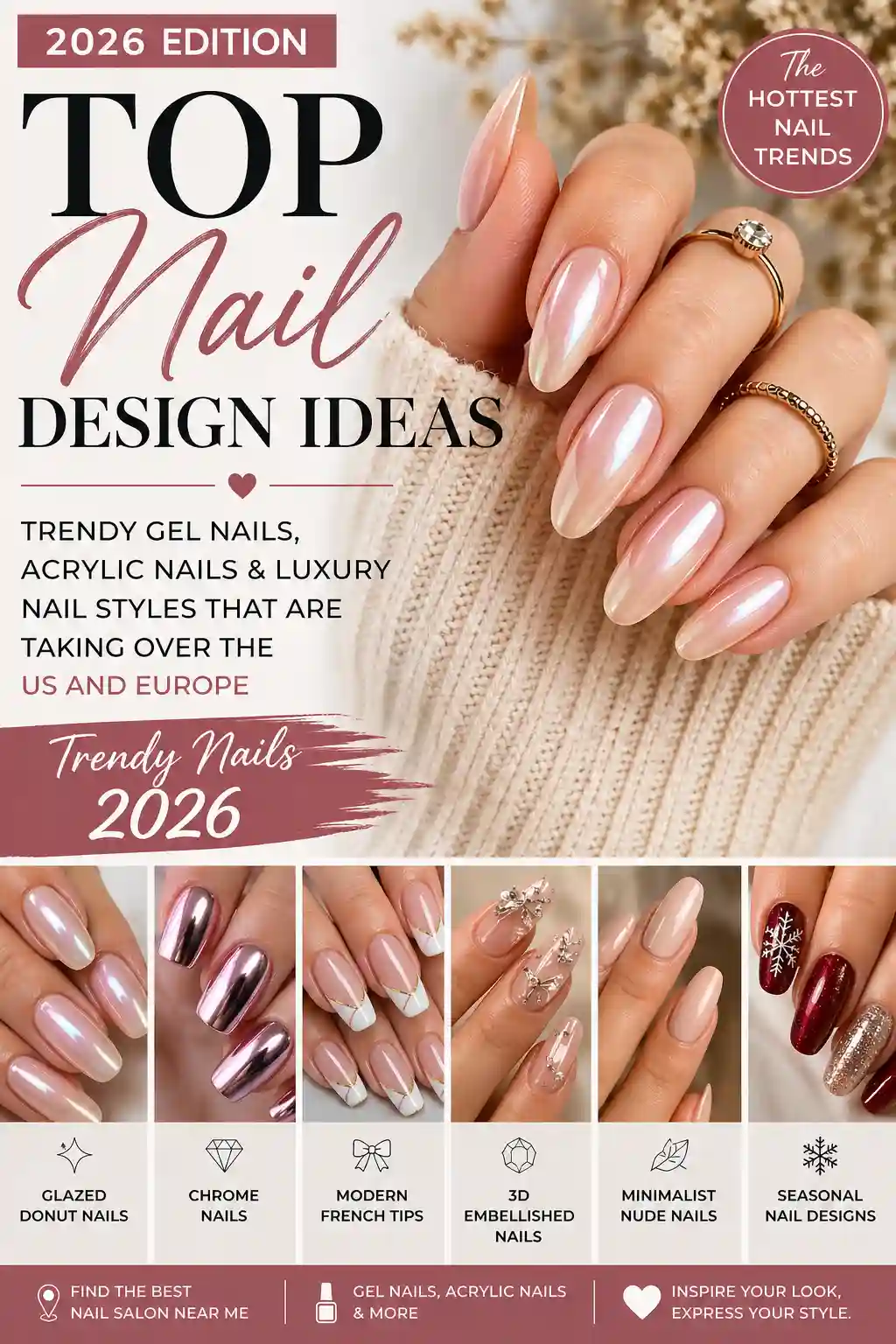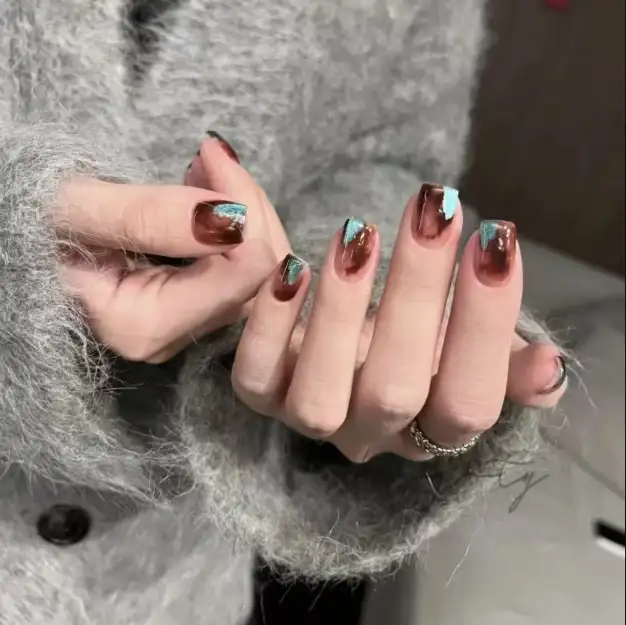
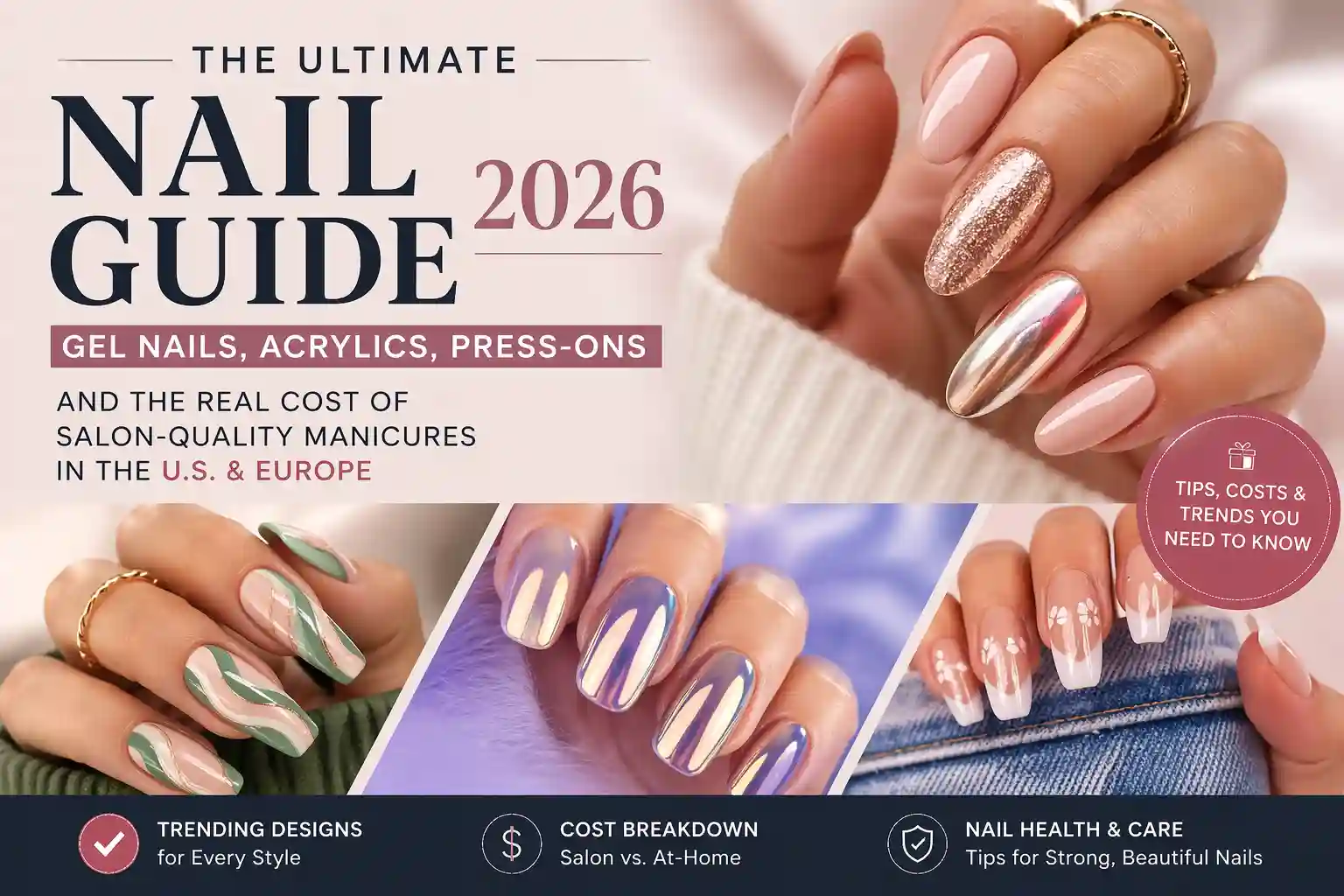
In 2026, the nail industry across the United States and Europe has evolved far beyond simple beauty routines, becoming a multi-billion-dollar market driven by personal branding, convenience, and increasingly sophisticated consumer expectations. What used to be a quick trip to a nail salon is now a strategic decision involving cost, durability, health considerations, and even lifestyle compatibility. For many women—and a growing number of men—nail care is no longer optional. It is part of how they present themselves in both professional and social environments.
One of the most searched phrases today, “nail salon near me,” reflects more than just convenience. It signals a shift toward hyper-local, high-quality services where customers expect not only good results but also hygiene standards, skilled technicians, and personalized design options. In cities like New York, Los Angeles, London, and Paris, nail salons have become boutique-style experiences, often blending beauty services with wellness and social interaction. This trend has also pushed prices upward, leading many consumers to reconsider how often they visit salons and whether at-home alternatives might offer better value.
Among all manicure types, gel nails continue to dominate the market, largely due to their balance between appearance and durability. A professional gel manicure can last anywhere from two to three weeks without chipping, making it ideal for individuals with busy schedules. This durability is one reason why search terms like “best gel nail kit” and “gel nails at home” have surged in popularity. Consumers are increasingly investing in DIY solutions, purchasing UV or LED lamps, high-quality gel polishes, and complete starter kits. While the upfront cost of a gel nail kit may range from $30 to $150, the long-term savings compared to regular salon visits can be significant.
However, gel nails are not without drawbacks. Improper removal, especially peeling off gel polish without soaking, can weaken the natural nail. This has led to growing interest in “healthy nail care” and “non-toxic nail products,” both of which are high-value keywords in the beauty advertising space. Brands that promote safer formulas and gentle removal processes are gaining traction, particularly among younger consumers who are more ingredient-conscious.
Acrylic nails, on the other hand, remain a staple for those seeking length and dramatic designs. When people search for “acrylic nails cost,” they are often surprised by the wide price range, which can vary from $40 to over $120 depending on location, design complexity, and technician expertise. Acrylics offer unmatched durability and customization, making them popular for special occasions, social media content, and fashion-forward looks. However, they require regular fills every two to three weeks, adding to the overall cost and time commitment.
In contrast, builder gel nails are emerging as a premium alternative that combines strength with a more natural look. Often marketed under terms like “builder gel manicure” or “structured gel nails,” this technique reinforces the natural nail without the rigidity of acrylics. It is particularly appealing to clients who want longer-lasting results without the heavy feel of traditional extensions. From a business perspective, builder gel services also represent a higher-ticket offering for nail technicians, contributing to their increasing visibility in search and advertising trends.
Another unexpected comeback in the nail world is press-on nails. Once dismissed as a low-quality option, modern press-ons have undergone a significant transformation. Today’s versions feature high-quality adhesives, reusable designs, and styles that closely mimic professional salon work. Searches for “best press on nails” and “press on nails that look real” have skyrocketed, especially among consumers who value flexibility and affordability. With prices typically ranging from $10 to $40, press-ons provide a cost-effective alternative for those who like to change their look frequently without committing to long-term wear.
The rise of social media platforms such as TikTok and Instagram has also played a crucial role in shaping nail trends. Viral designs like chrome nails, aura nails, and micro-French tips spread rapidly, influencing consumer preferences almost overnight. This has created a dynamic environment where nail technicians must constantly update their skills to stay competitive. As a result, interest in “nail technician certification” and “online nail courses” has grown significantly, reflecting a parallel trend in professional development within the industry.
Cost remains a central factor in decision-making. When evaluating different manicure options, consumers are increasingly calculating not just the initial price but the cost per day of wear. For example, a $60 gel manicure lasting three weeks may be perceived as more economical than a $30 regular polish that chips within days. This shift toward value-based thinking is particularly relevant in the current economic climate, where discretionary spending is more carefully considered.
At the same time, convenience continues to drive innovation. Mobile nail services, where technicians travel to clients’ homes, are gaining popularity in urban areas. Subscription-based nail services and membership programs are also emerging, offering discounted rates for regular customers. These models align with broader trends in the beauty and wellness industry, where personalization and accessibility are key differentiators.
Health and hygiene have become non-negotiable priorities. Consumers are more informed than ever about the risks associated with poorly sanitized tools and low-quality products. This awareness has led to increased demand for salons that emphasize cleanliness, use medical-grade sterilization techniques, and offer transparency about their processes. Keywords related to “safe nail salon” and “clean nail salon near me” are becoming more prominent, indicating a shift in consumer expectations.
Ultimately, the modern nail landscape is defined by choice. Whether someone opts for a high-end salon experience, invests in a professional-grade gel nail kit, or relies on high-quality press-ons, the decision is shaped by a combination of lifestyle, budget, and personal preference. There is no single “best” option—only the one that aligns with individual needs.
What makes this industry particularly fascinating is how it reflects broader cultural and economic trends. The emphasis on self-care, the influence of digital media, and the demand for convenience all converge in the seemingly simple act of getting a manicure. Nails have become a small but powerful way to express identity, manage time, and navigate an increasingly complex consumer landscape.
For anyone looking to make smarter decisions about nail care in 2026, the key is to think beyond trends. Consider how long a style lasts, how it affects nail health, and how it fits into your daily routine. Because in the end, the most valuable manicure is not the one that looks the best on day one—but the one that continues to work for you long after you leave the salon.